WMUC Protects Artifacts of Black Music History
by Jasper Parks
WMUC, the University of Maryland’s student-run radio station, is home to over 30,000 vinyl records, including some of the most coveted music of the Black Power movement.
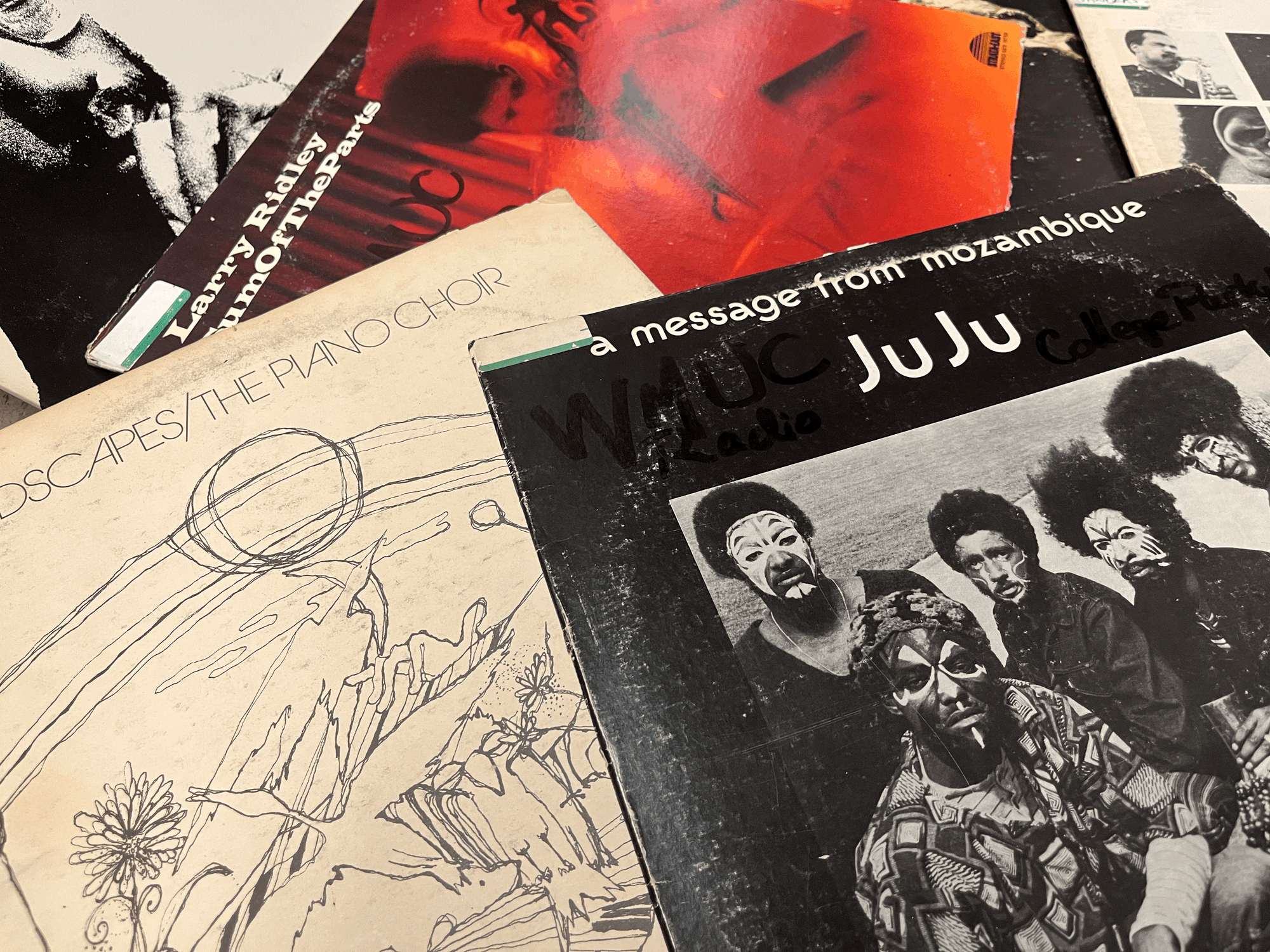
With a campus so close to the nation's capital, the university has managed to accumulate a wealth of ephemera from prominent political and social movements in the past century. WMUC’s small but enduring presence has helped history survive without remaining trapped behind glass. One of the more extensive and rare collections in the station’s archive is a set of albums from a record company known as Strata-East, an independent Black jazz label formed in 1971.
Throughout the decade, Strata-East served as a creative outlet for many leading voices of the Black Power movement, such as activist Jayn Cortez and beloved poet and singer Gil-Scott Heron. These signees benefited from a unique business model which set Strata-East apart from other labels at the time.
Strata-East guaranteed artists full copyright control as well as 80% of their records’ profits, granting an unusually generous amount of creative control. This freedom allowed artists to freely explore the avant-garde and incorporate politically charged messages in their music.
Strata-East released over 50 albums with an eclectic mix of jazz, soul, folk and spoken word soundtracking one of the most tumultuous times in U.S. history. The WMUC record library holds a wealth of these releases including some of the more storied and sought after titles on the label.
One of these albums is entitled, “Message from Mozambique,” the 1973 debut of DC based jazz group, Juju. The record features freeform musical arrangements with dense African percussion and atonal piano improvisation. One standout composition, “Soledad Brothers” references an infamous prison riot which resulted in the wrongful life sentencing of three Black inmates in a California prison in 1970.
The Descendants of Mike & Phoebe are another Strata-East group that can be found in the library. Their music is a proud expression of Pan-African identity in the post-Civil Rights era. The band was assembled by Bill Lee, father of director Spike Lee, who named the project after the band members’ enslaved ancestors. Much of their only album’s lyrical content addresses themes of generational trauma, poverty, and institutional racism.
WMUC’s library consists mainly of pop and rock in addition to a large volume of indie artists with a firm foothold in the DMV underground scene. So, how did a student-run freeform radio station at a predominantly white university end up with these recordings?
Record librarians, Orla Collins and Claire Tyler, lead the WMUC Record Team, tasked with preserving the archive’s history. The team looks after maintenance in the space and makes sure the records are well kept, inviting students to learn from the station's musical treasure trove. Collins and Tyler like to think of the library as a “living museum.”
WMUC is regularly inundated with new music by mail weekly from small artists all over the U.S. Although in the 1970s, the station worked much differently.
“Everything from that time period is promotional copies sent directly from labels with the goal of our DJs playing their music on air,” said Collins.
All of the Strata-East recordings in the library are exclusively promotional presses, so it is likely that WMUC happened to make Strata’s list during their brief decade of operation. Today the collection is still accessible to affiliated DJs, yet analog media is rarely played on air.
“I want to try to convince more DJs to play records, but most people use their computers,” Collins noted.
Tyler mentioned that the record library’s doors are always open and anyone is welcome to browse music in the company of their peers during Record Team meetings.
It's easy to imagine how the shift towards a digital media standard has made these once-loved records obsolete. However, many of these recordings are available on streaming services which offer higher fidelity and zero risk of damage from DJs, ensuring the safety of the physical media and giving it new life under a different format.
Record Team attendees and station visitors are free to peruse the library at weekly open public meetings to discover for themselves. Until stumbled upon again by the next eager listener, the history of Strata-East sits patiently in WMUC’s archives.